You want a driveway that looks good and lasts. This article shows how block paving in Wakefield can strengthen your home’s kerb appeal and gives a clear path to choosing materials and professional help.
You will learn what matters for a durable, attractive block-paved driveway and how Groundforce Drives & Patios can fit into that plan. The rest of the article walks through material choices, installation concerns, and what to expect from experienced local installers.
Groundforce Drives & Patios Limited
You notice attention to detail as soon as you arrive. The yard shows a range of finished driveways and patios that look tidy and well laid, which gives you confidence in their workmanship.
Staff greet you in a professional, friendly way and discuss options without pressure. They explain materials and timescales clearly, so you can plan the job and budget with fewer surprises.
Their approach feels hands-on from planning to completion. You see evidence they manage projects directly and aim to keep customers informed at each stage.
The site suggests a small, local team that values good customer service and steady quality. If you want a straightforward, reliable paving job in Wakefield, this place is worth a closer look.
Rating: 5 (27)
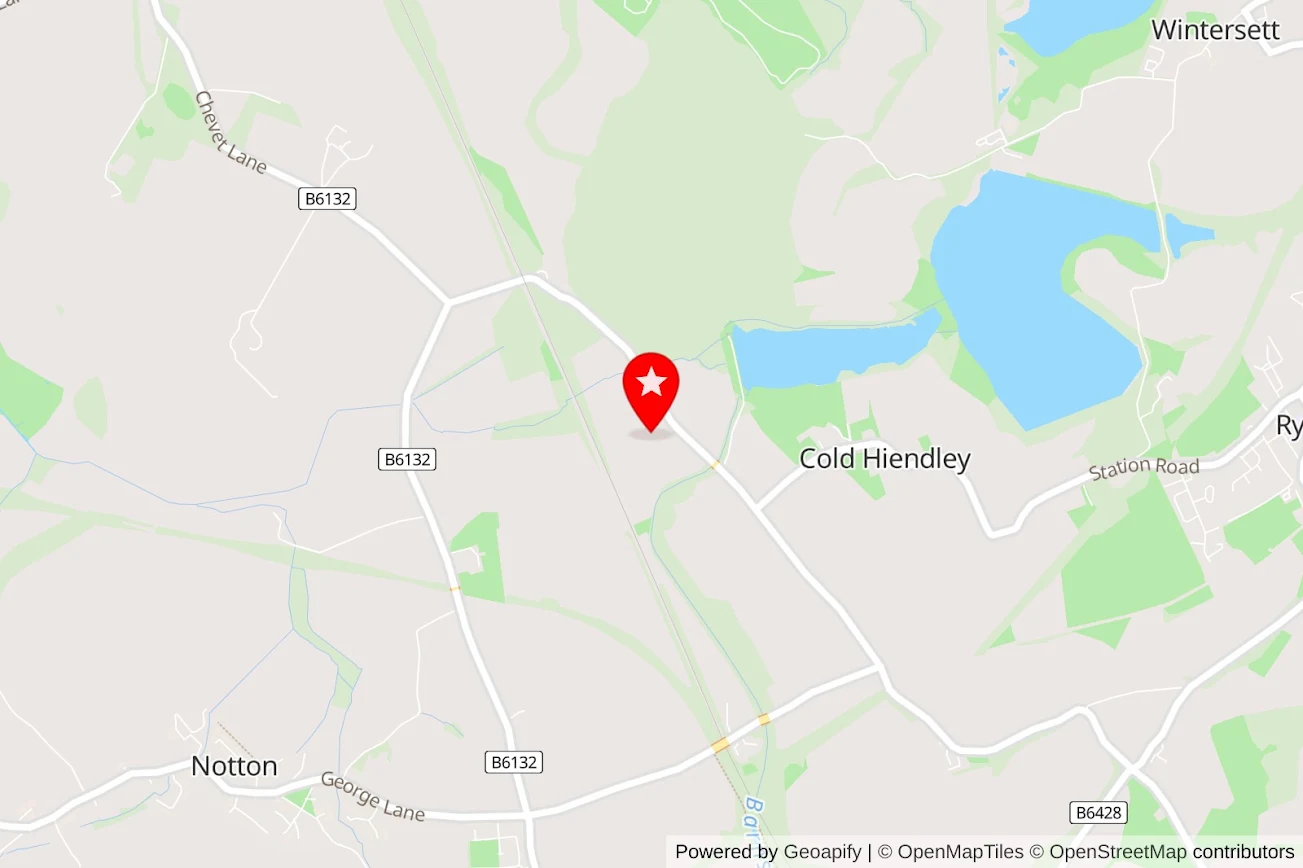
Location: Groundforce Drives & Patios Limited
Website: Visit Website
Choosing the Right Materials for Longevity
Pick materials that resist frost, heavy loads, and oil stains. Focus on compressive strength, drainage, and maintenance needs to keep the surface stable and attractive for years.
Benefits of Different Block Types
Concrete blocks give high strength at a lower cost. They resist cracking under car weight and come in many colours and textures. Choose dense, high-spec concrete blocks (minimum compressive strength ~35 N/mm²) for driveways with frequent vehicle use.
Clay or brick pavers offer deeper colour retention and better resistance to UV fade. They are harder to chip and can last decades if laid on a firm subbase. Expect higher up-front cost but lower visible wear over time.
Permeable or porous blocks allow water to drain through joints or the block itself. Use these where local rules require Sustainable Drainage Systems (SuDS). They reduce surface water run-off and lower winter freeze-thaw damage.
Sustainable Material Options
Recycled aggregates in concrete blocks lower embodied carbon and can perform like virgin materials when specified correctly. Ask your supplier for the recycled content percentage and any performance testing certificates.
Permeable paving systems help you meet local planning or SuDS requirements. Options include interlocking permeable blocks with a stone-filled sub-base that stores and slowly releases water. These systems need correct installation and jointing to work long-term.
Locally sourced clay pavers cut transport emissions and often match Wakefield’s traditional styles. Look for manufacturer warranties and check that the blocks are CE or UKCA marked to ensure quality and durability.
Professional Installation Considerations
You need a solid base and correct water management to get a long-lasting block paved driveway. Focus on excavation depth, sub-base type, edge restraints, fall, and drainage routes to avoid failures.
Site Preparation Essentials
You must remove existing surface and unstable soil to a depth that allows for the sub-base, sand layer, and blocks. For typical driveways, excavate 250–400 mm depending on soil type and traffic load. Compact the subgrade with a plate compactor until firm.
Use a well-graded crushed stone sub-base (Type 1 or similar) compacted in 100 mm layers. Aim for at least 150–200 mm of compacted sub-base for standard domestic use; increase depth for heavy vehicles. Place a 30–50 mm sharp sand bedding layer and screed it flat before laying blocks.
Install concrete or paving edge restraints to stop lateral movement. Check levels and set string lines for consistent falls. Keep materials dry and protect adjacent landscaping during work.
Ensuring Proper Drainage
You must design falls so water moves away from the house. A typical fall is 1:80 to 1:100 (about 12–15 mm drop per metre) toward the road or a designated drain. Avoid flat areas where water can pond.
Include drainage channels or linear drains where needed. Use permeable block paving with a suitable permeable sub-base if you want on-site infiltration, but confirm ground conditions and local planning rules first. For non-permeable drives, connect gullies to the storm sewer or soakaway sized to local guidance.
Check for potential run-off onto neighbours’ property and plan discharge accordingly. Install inspection chambers at drain changes and ensure outlets are clear of debris for long-term performance.