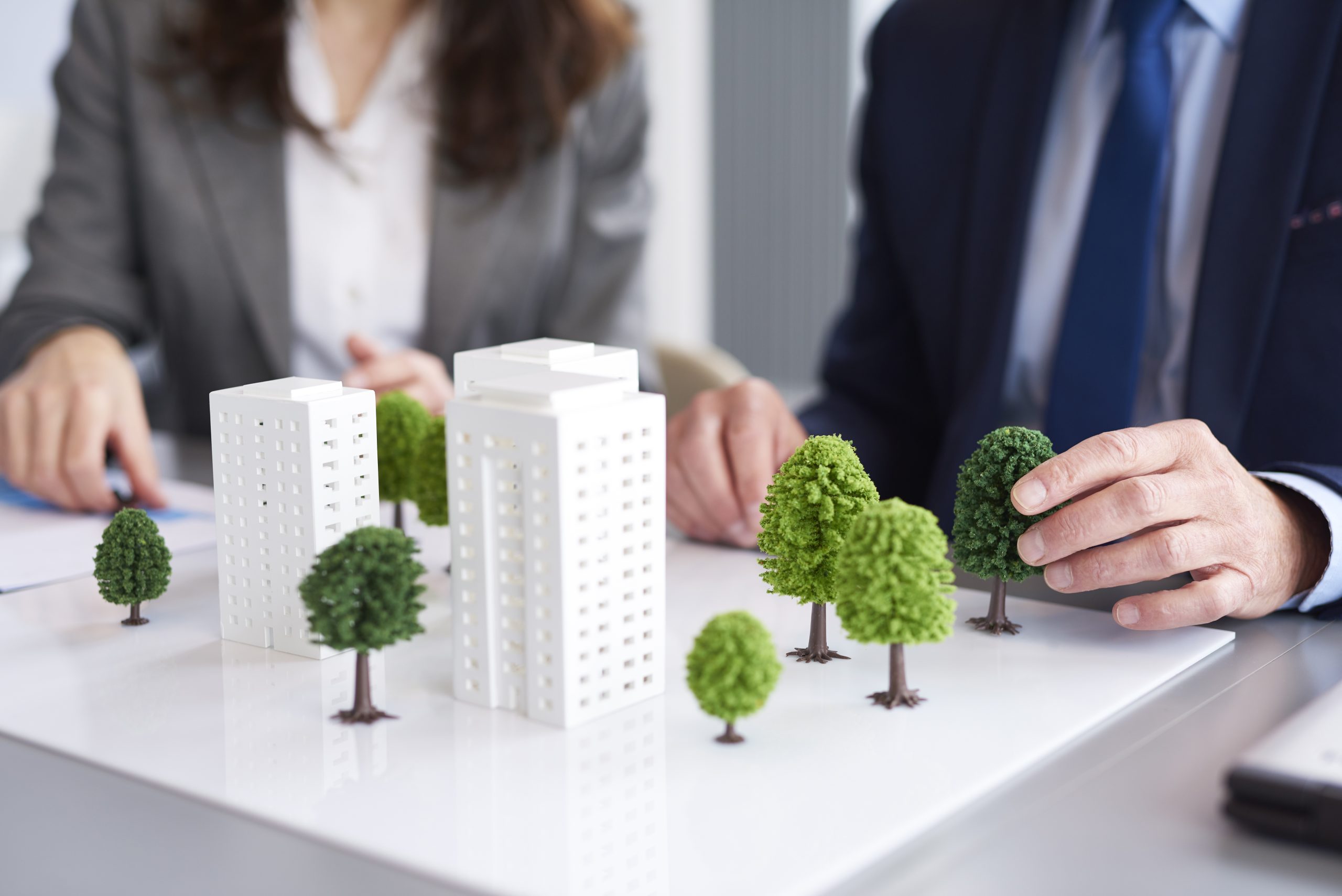
Since the world is fighting for a sustainable way of living, green construction projects that don’t harm the environment and are friendly to nature are considered a trend nowadays. For example, these projects’ goals include not damaging nature and improving how energy is provided, demonstrating the new model of construction. Nevertheless, they have their own disadvantages and problems as well. An article that speaks of the contribution of insurance while undertaking the green building projects is covered in this article by expanding on the positive effects and safety perks of green building projects.
The Rise of Eco-Friendly Construction
A construction project that is green emphasizes the use of quality materials which are renewable, cuts down on waste, and ensures that energy is used or wasted economically. They often use construction products that are good for the earth like recycled-content filled steel, bamboo plants and woods which originated from previous structures. On the other side of the coin, they provide replenishable energy, e.g. the sun’s energy or a wind machine that has been turned into a generator. Besides, engaging in eco Build extends infrastructure practice so that houses produce less carbon emissions, there is clean air inside them and they perform really well.
Unique Risks in Eco-Friendly Construction
While building in an environmentally friendly way has many advantages, it also brings different kinds of risks compared to usual construction work. These risks involve:
- New Technologies: The use of cutting-edge technologies, such as energy-efficient systems and renewable energy installations, can introduce unforeseen issues. These technologies might not have a long track record, making their reliability and performance uncertain.
- Specialized Materials: Green building materials, for example those made from recycled things or resources that grow back quickly, may act in a different way compared to normal materials and this could cause problems with the building’s strength or make them more likely to get damaged.
- Regulatory Compliance: Projects that are friendly to nature must follow strict environmental laws and get certifications like LEED (Leadership in Energy and Environmental Design). If these standards are not met, it could lead to penalties, project hold-ups or expensive changes needed.
- Inexperienced Contractors: Working on eco-friendly buildings needs experts with the right knowledge. If contractors don’t have enough skills, they could make mistakes that cause delays in the project, higher expenses or not so good quality of building work.
The Role of Insurance
Insurance is very important for reducing the risks when you are working on building projects that care about the environment. It offers money protection and ways to handle risk, helping people involved with sustainable construction to deal with difficult parts of it. Key areas where insurance supports eco-friendly construction include:
1. Builders Risk Insurance
Construction project insurance is very important because it covers damage to property while building. If the project cares about the environment, this insurance helps if special materials or technologies are lost or damaged. This way, the work can go on without losing a lot of money. Rules can be adjusted to deal with the special dangers linked to eco-friendly construction techniques, for instance, employing systems that use renewable energy or unconventional building approaches.
2. Professional Liability Insurance
Professional liability insurance, often called errors and omissions (E&O) insurance, is for architects, engineers, and others working on the design and planning of eco-friendly building projects. Because sustainable construction practices are very specific in their nature, these professionals could have higher risks if their designs do not match environmental standards or lead to unexpected problems. This insurance covers the costs for legal defense and any damages that come from accusations of not being careful or making mistakes in professional work.
3. General Liability Insurance
General liability insurance is important because it protects against claims from other people for injuries, damage to property, and personal harm. For construction projects that care about the environment, this insurance is very necessary to keep contractors and developers safe from legal cases that might come up if there are accidents or damages at the building site. It gives protection for cases involving the use of specific materials and new technologies that could cause harm or damage in ways not anticipated.
4. Environmental Liability Insurance
Environmental liability insurance is very important for construction projects that care about the environment because it includes coverage for pollution and harm to nature. It provides protection from responsibilities connected with the leaking of dangerous substances, dirt pollution, or different kinds of environmental events. This is particularly significant for projects that deal with the cleaning of contaminated lands or when using new, unproven materials.
5. Surety Bonds
Surety bonds offer financial guarantee that contractors will complete their contract duties. When it comes to green building, these bonds help make certain the work meets particular environmental criteria and is done on schedule. They safeguard the project owners against financial losses when contractors do not finish the work according to the agreement.
6. Green Building Endorsements
Certain insurance companies present special support for green structures that includes extra protection for environmentally friendly aspects. This kind of help can pay the expenses to replace harmed materials in green buildings, repair sustainable power setups, and improve to better standards of energy saving when there is damage. This makes sure that the project’s goals for staying sustainable are kept, even if there is a loss covered by insurance.
Conclusion
As cleaner construction projects are on the upswing, the role of the insurance for protecting and supporting these endeavors grows more important. Through covering the specific risks of sustainable building the insurers guarantee financial safety and peace of mind for all the stakeholders. The protection starts with the builders risk and professional liability insurance extending to environmental liability and green building endorsements as well. Comprehensive insurance plan is the trick to a successfully completed ecological construction project for long-term sustainability. Adopting phase-in of these complex insurance answers the question: will the construction of the future not only be environmentally friendly but also secure and resilient.